Product Features
Energy Optimization: The compressor adopts an optimized energy design, reducing energy consumption while maintaining cooling efficiency, making it suitable for applications with high energy-saving requirements.
Compact Design: Its compact structure makes it lightweight and easy to install and maintain, ideal for equipment with limited space.
Quiet Operation: Low-noise design ensures quieter operation, suitable for environments requiring low noise levels.
Stability: Simple structure and mature manufacturing technology, suitable for various pressure and cooling capacity requirements.


Market Positioning & Application Scenarios
The compressor is primarily targeted at the small commercial market, meeting the need for efficient, energy-saving, and low-noise refrigeration equipment. It is widely used in freezers, refrigerated display cabinets, vending machines, household and commercial refrigerators, chillers, dehumidifiers, and low-temperature experimental equipment.
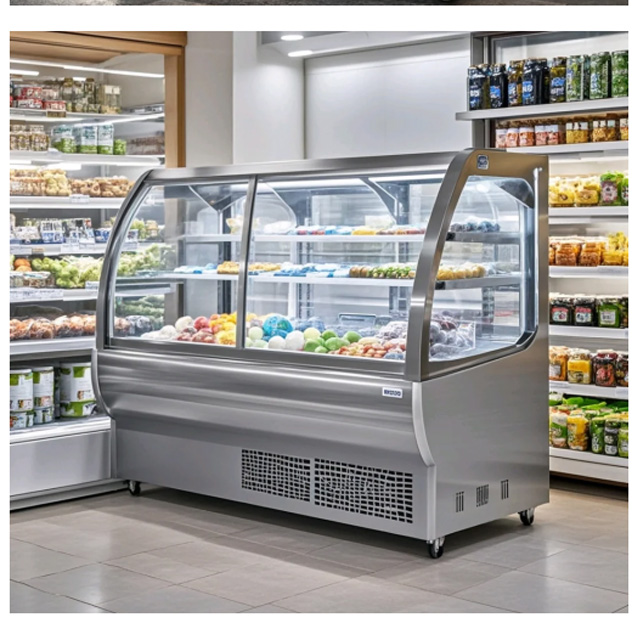
efrigerated Display Cabinet
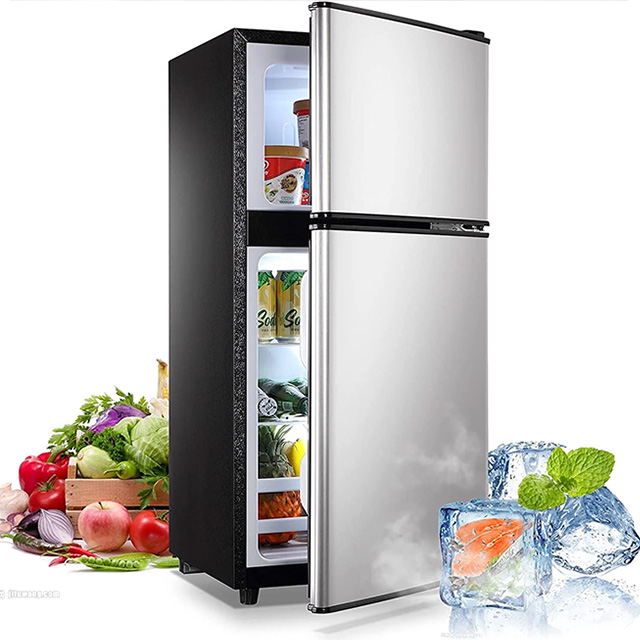
Household refrigerator
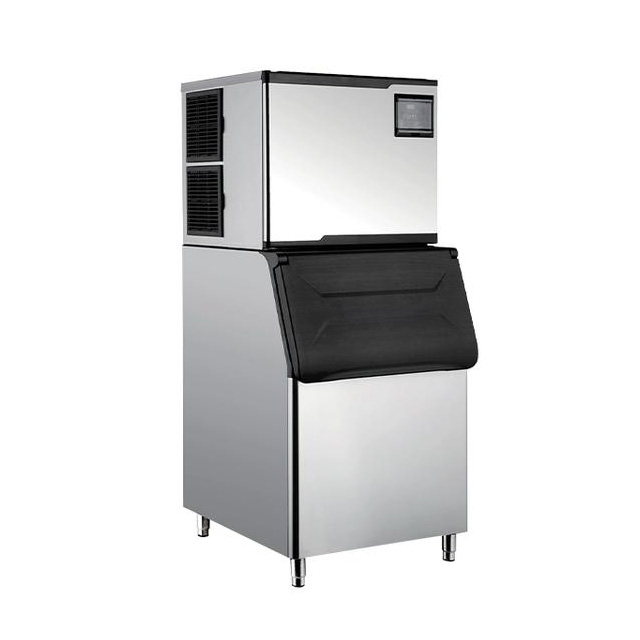
Chiller

Q1: What should I do if the compressor won't start or is seized?
A: Check the power supply voltage (198–254V), the start capacitor (replace if capacitance deviation exceeds ±10%), and whether the thermal protector has tripped. Overcharging of R290 is a common cause – strictly weigh the refrigerant according to the nameplate (max 150g). Excess charge can lead to liquid slugging and seizure.
Q2: Why does the compressor frequently trip on thermal overload?
A: Common causes: ① Dirty condenser or poor ventilation (clean and leave 3–6 inches clearance); ② R290 overcharge (most frequent); ③ Ambient temperature above 43°C. First clean the condenser, then verify the refrigerant charge.
Q3: Poor cooling performance / compressor runs continuously without stopping?
A: Possible causes include refrigerant leakage/undercharge, system blockage (drier/filter, capillary tube), or evaporator frosting. Use pressure gauges: low suction + low discharge → undercharge; high suction + high discharge → overcharge; bubbles in sight glass → undercharge or restriction.
Q4: Abnormal noise from the compressor?
A: Metallic knocking sound → liquid slugging (stop immediately, check expansion valve and charge level); dull humming → phase loss or winding short circuit (stop and check electrical circuit); sharp screeching → bearing wear (replace). R290's low boiling point makes it prone to slugging – avoid starting against differential pressure.