-
Refrigerant: Uses R290 refrigerant, extremely low GWP, compliant with global environmental regulations and low-carbon trends.
-
Wide Voltage Range: Built-in thermal protector, suitable for regions and applications with significant voltage fluctuations.
-
Low Noise & Low Vibration: Compact motor design with enhanced internal damping ensures quiet operation, ideal for noise-sensitive environments (e.g., offices, medical facilities, home settings).
-
Compact & Lightweight: Easy to install and maintain.
-
High Reliability Design: HST (High Starting Torque) ensures reliable startup even under deep-freeze, high-pressure differential conditions. Supports hot gas defrost and long interval pull-down, making it ideal for freezer display cabinets and commercial freezers requiring automatic defrosting.
-
High Condensing Temperature Tolerance: Capable of continuous operation at condensing temperatures up to 55°C, suitable for high-temperature environments.

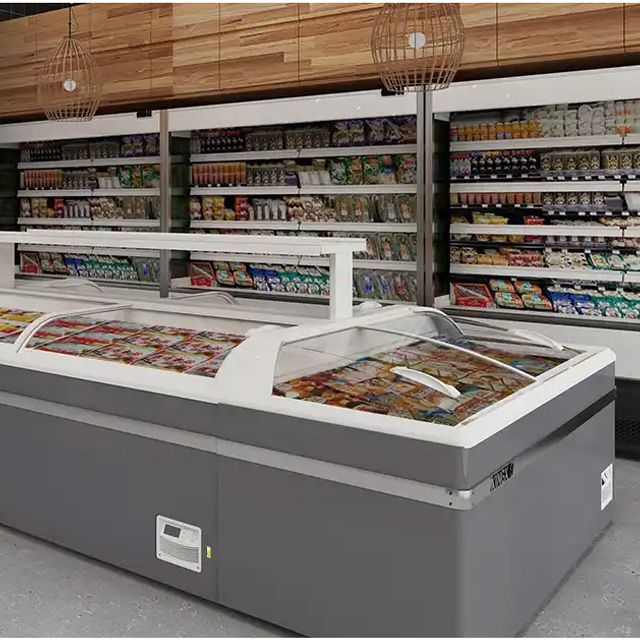
Frozen Display Cabinet
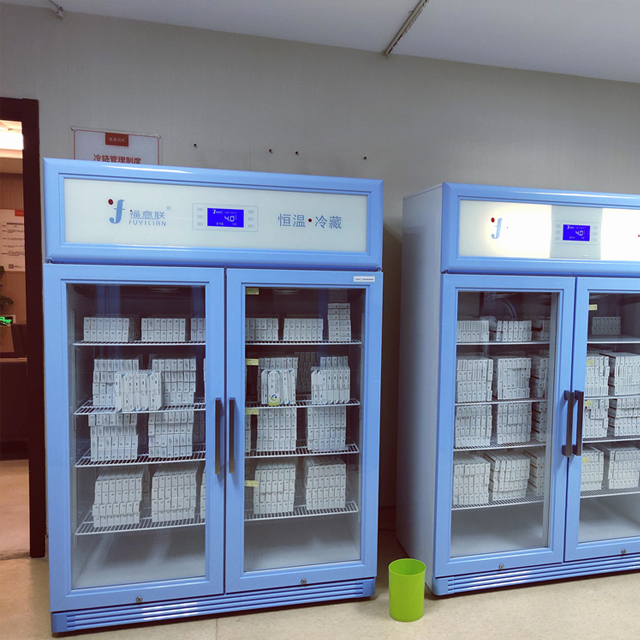
Medical Refrigerator/Freezer
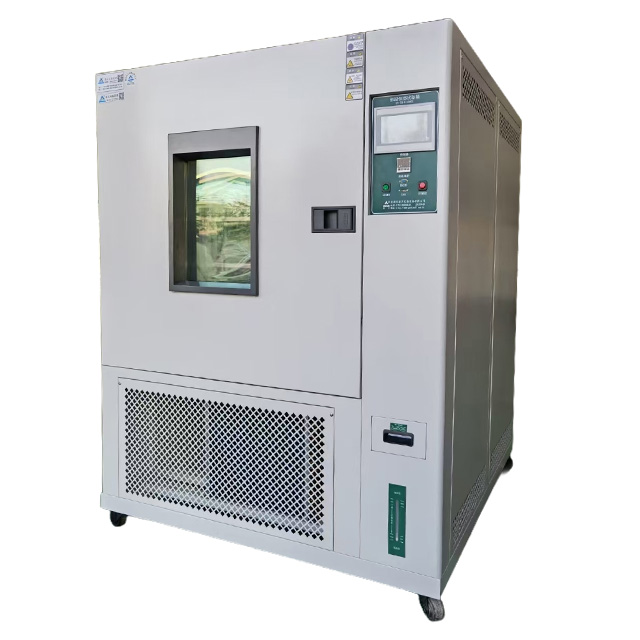
Low-temperature experimental equipment


Q1: Why are R290 compressors especially prone to seizing?
A: R290 dissolves heavily in POE oil, thinning the oil film. Rapid vaporization at startup causes sudden cooling of the pump body, reducing clearances. Combined with overcharge and start-up under pressure, this leads to crankshaft/conrod galling. Solution: control charge accuracy within ±5%, ensure pressure equalization before startup, and use correct POE oil.
Q2: What safety rules must be followed when servicing R290 compressors?
A: ① Never work in confined spaces – ensure good ventilation; ② Do not braze directly (use nitrogen purge); ③ Never exceed the maximum charge limit (150g); ④ Only trained personnel may operate; ⑤ Use a combustible gas detector (LEL 2.1%).
Q3: How can I tell if the refrigeration oil needs changing?
A: POE oil is highly hygroscopic – always replace the drier after opening the system. Replace oil if it appears cloudy or acidic. After long shutdowns, preheat the crankcase heater until the compressor temperature exceeds 15°C before starting.
Q4: What routine maintenance reduces failures?
A: Clean the condenser and check fans monthly; replace the drier and leak-check every six months; measure insulation resistance and running current annually. Most importantly: always weigh the refrigerant charge – keep error within ±5%.