


+86-15339975475
info@archeanref.com
info@archeanref.com
+8615339975475
Wutongli, linyi, Shandong, China


Views: 0 Author: Site Editor Publish Time: 2026-09-04 Origin: Site


The air conditioning compressor acts as the vital mechanical heart of any modern HVAC or refrigeration system. When it fails, cooling stops immediately, leaving you facing an urgent and costly problem. Choosing the right replacement or upgrade requires careful navigation and clear thinking. You must constantly balance immediate capital expenditure against long-term energy efficiency, all while ensuring strict system compatibility. Accurate diagnosis and precise system matching remain non-negotiable baselines before you finalize any purchase. We avoid upselling here; instead, we focus entirely on objective criteria to guide your mechanical decisions. In this comprehensive guide, you will discover how to evaluate if a replacement is truly justified for your facility. We will explore different compressor technologies, detail core evaluation dimensions, and compare sourcing strategies directly. You will learn the exact steps required to protect your investment, maintain compliance, and ensure optimal cooling performance for years to come.
System compatibility (refrigerant type, tonnage, and electrical phase) dictates your baseline options; you cannot arbitrarily switch compressor types without full system overhauls.
Scroll and variable-speed (inverter) compressors dominate modern setups due to efficiency, while reciprocating units remain viable for specific refrigeration and legacy applications.
Total cost of ownership extends beyond the unit price—improper installation (e.g., failing to clear acid after a burnout) will destroy a new AC compressor and void the warranty.
Choosing between OEM (Original Equipment Manufacturer) and aftermarket units requires weighing warranty security against lead times and upfront costs.
Replacing a major system component requires absolute certainty regarding the initial diagnosis. You cannot rely on guesswork. Professional technicians must rule out all minor electrical failures before condemning the current unit. A bad run capacitor mimics a dead compressor perfectly. You might hear a humming sound while the fan spins, but the cooling cycle fails completely. Hard start kits often degrade over time. Faulty contactor relays also prevent normal startup sequences. You must demand a definitive electrical diagnosis using proper multimeters. Do not approve a massive repair bill based on a simple visual inspection.
Once you verify the mechanical failure, you must compare replacement against a full system upgrade. Look closely at your current refrigerant type. Systems using phased-out R-22 demand a full replacement strategy. Do not waste capital on outdated, heavily regulated parts. If your system exceeds 12 to 15 years of age, buying a full condenser unit generally makes better financial sense. You achieve far better energy efficiency instantly. A standalone swap rarely pays off in these aging setups. Upgrading the entire system often provides better long-term financial returns.
You must define your success criteria clearly before making a purchase. A successful installation looks like this:
Restored cooling capacity matching the original factory specifications.
Maintained or improved SEER (Seasonal Energy Efficiency Ratio) rating.
Fully protected manufacturer warranty coverage through compliant installation.
Zero secondary mechanical failures during the break-in period.
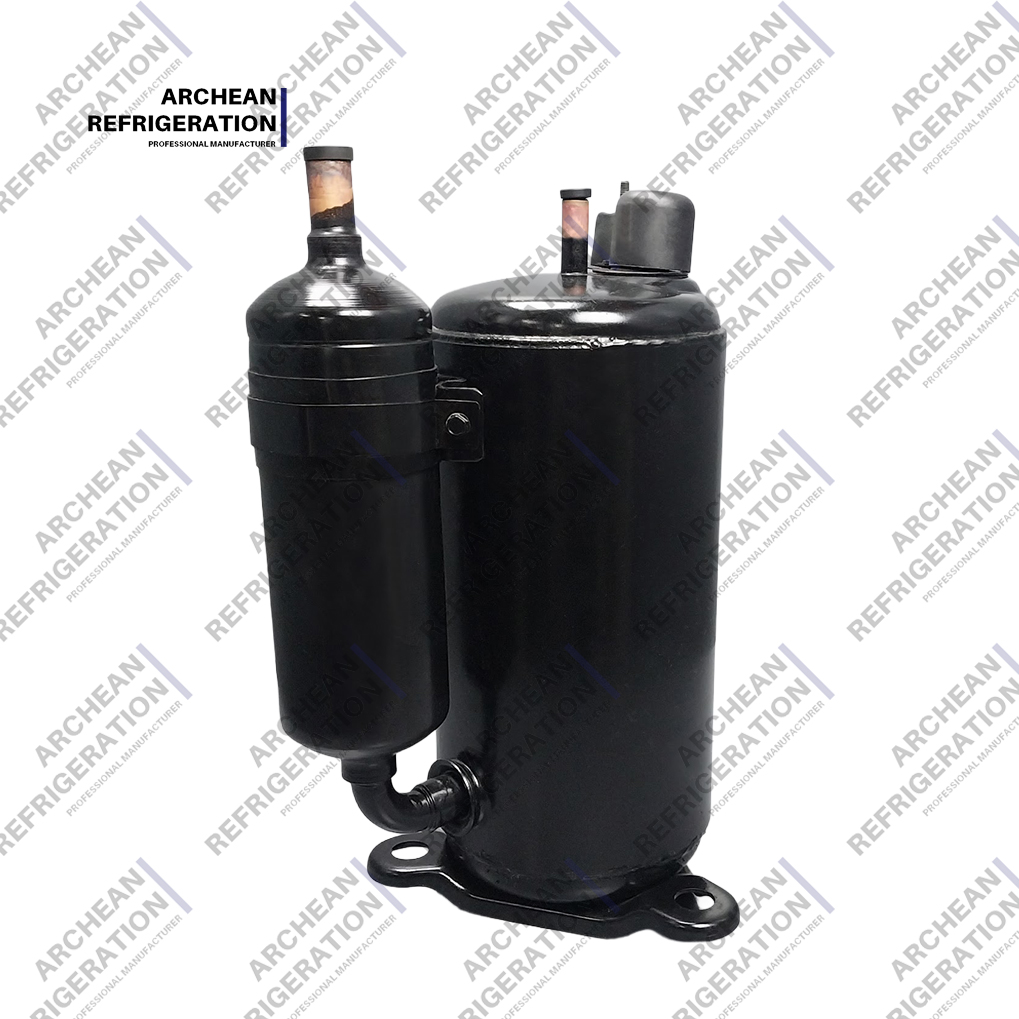
Scroll models use a continuous orbital motion to pump refrigerant. Two spiral scrolls interlock to compress the gas seamlessly. One scroll remains stationary while the other orbits around it. Residential and light commercial systems rely heavily on them today. They feature significantly fewer moving parts than older designs. You get lower noise levels and highly reliable daily operation. The lack of internal valves makes them robust against minor liquid slugging. They represent the industry standard for modern, mid-tier efficiency expectations.
These units rely on a traditional piston-cylinder mechanism. They operate much like a car engine pumping gas. You will appreciate their ruggedness in demanding environments. Technicians find them highly serviceable in the field. Heavy-duty commercial environments prefer them for harsh daily cycles. You will often see them deployed as a primary refrigeration compressor where variable pressures happen frequently. They tolerate extreme temperature swings well. While they generate more noise, their durability in legacy refrigeration systems remains unmatched.
Efficiency matters most when evaluating these advanced models. Variable-speed technology adapts the motor output precisely. It matches your exact indoor cooling demands second by second. You completely avoid massive electrical power spikes during startup. Indoor humidity drops significantly because the system runs longer at lower speeds. High-efficiency upgrades demand this specific inverter technology. We highly recommend them for modern electric air conditioning compressor applications. They deliver premium comfort control while slashing monthly electrical consumption drastically.
Engineers design internal compressor components for specific chemical refrigerants. R-410A remains common in existing equipment today. However, massive industry transitions to R-32 or R-454B are happening right now. You cannot mix different chemical types arbitrarily. The internal oil types must match the refrigerant precisely. Using the wrong model causes immediate mechanical failure. The internal lubrication breaks down entirely. You must verify the exact refrigerant stamp on your existing condenser data plate.
Size dictates performance in every cooling application. Over-sizing your unit causes severe short cycling. The system cools the air too quickly and shuts off. You will suffer poor humidity control as a result. The indoor environment feels cold but extremely clammy. Conversely, under-sizing creates continuous running conditions. The unit never stops trying to reach the thermostat setpoint. Premature motor burnout becomes inevitable in under-sized applications. You must match the exact tonnage or BTU rating of the failed component.
You need to compare upfront costs against long-term operational savings carefully. Single-stage models cost the least upfront. However, they run at full capacity constantly, wasting energy. Two-stage models offer a balanced approach. They run at a lower speed for mild days and ramp up during extreme heat. Variable capacity units demand the highest upfront investment. They provide superior energy savings over their lifespan. You must review your local climate and energy rates to justify the higher tiers.
Compressor Staging and Efficiency Matrix
| Staging Type | Upfront Cost | Operational Energy Savings | Comfort & Humidity Control |
|---|---|---|---|
| Single-Stage | Lowest | Minimal | Basic (Prone to temperature swings) |
| Two-Stage | Moderate | Good (Approx. 15-20% savings) | Very Good (Better moisture removal) |
| Variable-Capacity | Highest | Maximum (Up to 40% savings) | Excellent (Precise, constant climate) |
Sourcing replacement parts requires understanding the manufacturing supply chain. You essentially choose between Original Equipment Manufacturer (OEM) parts and aftermarket alternatives. Each path presents distinct advantages and specific operational risks. You must evaluate your current warranty status before ordering.
OEM units offer guaranteed exact-fit performance. The factory engineered them specifically for your condenser model. Warranty integration remains seamless when you use OEM parts. You can predict the lifespan reliably based on factory testing data. The internal electronics communicate perfectly with your control boards. However, you pay a noticeably higher premium for the brand name. Supply chain lead times might also delay your urgent repairs during peak summer months.
Aftermarket or remanufactured units present a different value proposition. They are highly cost-effective upfront. They offer much faster availability for obsolete or discontinued systems. Remanufacturers rebuild these units using salvaged casings and new internal wear parts. But quality varies highly between different rebuilders. You risk mismatched footprint dimensions on the mounting pad. Copper piping connections might not align perfectly. You could easily void your broader system warranty by installing them.
We recommend a strict decision logic here. Buy OEM parts for systems currently under factory warranty. Always use OEM if your system is less than 10 years old. Choose remanufactured units strictly for end-of-life systems. You only use them while awaiting planned facility upgrades. Here is where you might source an aftermarket AC compressor to bridge a temporary operational gap safely.
Installing a new mechanical core involves high technical risks. DIY replacement is never a viable option. You must understand the chemical and physical hazards involved in the installation process.
The acid burnout risk destroys many new installations. Electrical motor burnouts contaminate the copper lines instantly. The previous failure leaves highly acidic sludge throughout the piping network. Technicians must chemically flush the lines thoroughly. They must test the system using specialized acid test kits. Installing a new unit directly into contaminated lines guarantees failure. A secondary breakdown will occur within weeks as the acid destroys the new motor windings.
Installation requires precise brazing and vacuum standards. Technicians must perform nitrogen purging during the brazing process. Pushing nitrogen through the pipes prevents carbon oxidation inside the copper. They must also pull a deep vacuum using specialized pumps. A deep vacuum removes all ambient moisture from the lines. Moisture reacting with modern refrigerants creates fatal sludge. Technicians must hold the vacuum below 500 microns to prove the system is completely dry and leak-free.
Compliance and labor laws govern this work strictly. Federal law requires EPA Section 608 certified technicians to handle these chemicals. They must recover old refrigerants safely using approved cylinders. Venting gas into the atmosphere brings massive financial penalties. Proper certification validates your new manufacturer warranties automatically. Manufacturers will instantly deny claims if uncertified individuals perform the brazing or charging procedures.
Choosing the correct mechanical heart for your system demands systematic evaluation. You must prioritize exact matching over bargain hunting. Identify your required refrigerant type immediately. Confirm the precise tonnage and electrical phase of your failed unit. Choose the staging type aligning with your energy reduction goals. Always prioritize OEM parts if the surrounding equipment remains relatively new.
Follow these specific action steps before authorizing a repair:
Consult a certified HVAC contractor to verify the initial electrical diagnosis.
Request a formal load calculation if considering a full system upgrade.
Verify your existing warranty status using your original installation paperwork.
Ensure the quoted labor includes chemical flushing and deep vacuuming.
Order exactly matched components based on the verified data plate.
A: Part costs typically range from $600 to $1,500 depending on tonnage and staging. However, labor, chemical flushing, and new refrigerant add significant expense. Total replacement costs usually fall between $1,800 and $3,500. Complex commercial units cost substantially more.
A: Generally, no. Old single-stage systems lack the necessary electronic control boards and variable-speed indoor blowers. You typically must upgrade the entire condensing unit and the indoor air handler to achieve variable-speed compatibility.
A: Expect a functional lifespan of 10 to 15 years under normal conditions. Lack of routine maintenance, dirty condenser coils, and poor indoor airflow shorten this lifespan significantly by causing severe overheating.
A: Watch for tripping circuit breakers when the system starts. Listen for distinct grinding, clanking, or harsh clicking noises outside. Notice poor cooling performance or warm air blowing indoors despite having clean coils and new air filters.


