


+86-15339975475
info@archeanref.com
info@archeanref.com
+8615339975475
Wutongli, linyi, Shandong, China


Views: 0 Author: Site Editor Publish Time: 2026-08-30 Origin: Site


The HVAC procurement landscape is shifting rapidly. Transitioning from traditional R-410A refrigerants to modern A2L alternatives demands immediate attention from buyers. Stricter energy efficiency mandates, such as SEER2 and HSPF2, further complicate these choices. Combine these regulatory hurdles with ongoing supply chain volatility, and selecting the right hardware becomes a high-stakes business decision.
Buying the wrong equipment at scale introduces massive operational risks. You face widespread warranty claims and severe system incompatibilities in the field. Furthermore, you risk failing to comply with stringent regional decarbonization standards. This failure can easily lock your products out of lucrative rebate programs and regional markets entirely.
This guide provides procurement teams, OEM manufacturers, and large-scale HVAC contractors a concrete, evidence-based framework. You will learn how to properly evaluate technical components and confidently shortlist manufacturing partners. We deliver actionable strategies to ensure your next bulk purchase meets both engineering tolerances and modern compliance mandates seamlessly.
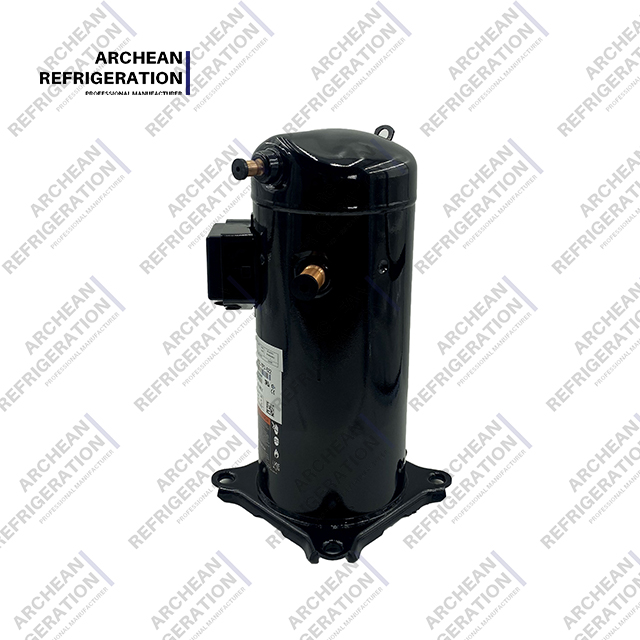
Selecting the correct base technology is the first critical step in bulk procurement. Different chassis designs and climate requirements dictate very specific mechanical choices. Buyers must weigh initial unit capabilities against long-term seasonal efficiency requirements.
You must determine whether your application requires fixed-speed or inverter-driven (variable speed) technology. Variable capacity systems adjust their output to match real-time load conditions. This modulation prevents short-cycling, maximizes seasonal energy efficiency, and satisfies rigorous SEER2 standards. Fixed-speed units cost less upfront but struggle to meet modern efficiency benchmarks.
Next, you must evaluate scroll versus rotary mechanisms based on your target tonnage. Rotary designs excel in smaller applications (typically under 3 tons) due to compact footprints and lower vibration profiles. Scroll designs dominate the commercial and heavy residential sectors. They offer superior durability and handle liquid slugging much more effectively.
For cold-climate applications, Enhanced Vapor Injection (EVI) is a mandatory requirement. EVI technology injects mid-pressure refrigerant vapor directly into the compression cycle. This increases mass flow and sustains heating capacity even when ambient temperatures drop below -15°C (5°F).
| Technology Type | Primary Application | Key Engineering Benefit | Common Tonnage Range |
|---|---|---|---|
| Fixed-Speed Scroll | Basic residential cooling/heating | High reliability, lower upfront unit cost | 2 to 5 Tons |
| Inverter Rotary | Mini-splits, small heat pumps | Compact footprint, precise load matching | 0.5 to 3 Tons |
| Inverter Scroll (with EVI) | Cold-climate heat pumps | Maintains heating capacity at ultra-low ambients | 3 to 15+ Tons |
Do not accept specification sheets at face value. Scrutinize the Coefficient of Performance (COP) and Energy Efficiency Ratio (EER) across varying ambient temperature testing points. Many manufacturers inflate numbers by only publishing data from "best-case scenario" moderate climates. Demand performance curves mapped down to extreme cold conditions.
You must also verify the operating envelope. Confirm the absolute maximum condensing temperatures and minimum evaporating temperatures the unit can sustain. Establish a standardized matrix for comparing heat pump compressor specifications across different brands. This matrix ensures apples-to-apples evaluation and exposes weak performance limits.
A standalone unit is useless if it cannot integrate smoothly into your overarching system architecture. Procurement requires deep alignment with your engineering team to avoid costly redesigns.
Evaluate how the internal hardware interacts with existing reversing valves and electronic expansion valves (EEV). Components must manage specific mass flow rates without creating bottlenecks. Heat exchangers must also match the volumetric output to prevent coil freezing or excessive head pressure.
Control logic requires equal scrutiny. The inverter drive board must communicate seamlessly with overarching OEM control systems. Look for standardized communication protocols like Modbus or robust proprietary handshakes. Mismatched control logic leads to erratic modulating behavior and premature hardware failure.
Global regulations mandate a rapid shift toward low-GWP refrigerants. You must confirm your hardware operates safely using next-generation A2L refrigerants like R-454B or R-32. Because A2Ls are mildly flammable, the hardware requires specific safety modifications.
Inspect units for spark-proof electrical terminals and hermetically sealed electrical boxes. Standard R-410A designs often lack these safeguards, making them non-compliant and legally risky to deploy in new A2L chassis designs.
Selecting a heavy-duty heating systems heat pump compressor demands different engineering tolerances than standard cooling models. When deployed for commercial boilers or district heating, the unit runs continuously at elevated condensing temperatures. This intense workload breaks down standard lubricating oils. Ensure your selected model features advanced motor cooling pathways and utilizes high-viscosity Polyolester (POE) oils designed specifically for continuous high-heat stress.
Standard off-the-shelf models work perfectly for mainstream applications. However, unique proprietary designs often reveal standard component limitations. When scaling production, forcing a square peg into a round hole ruins assembly line efficiency.
Footprint conflicts represent the most common failure point. A chassis designed for maximum aerodynamic efficiency may simply lack the vertical clearance for standard scroll units. Acoustic failures present another major hurdle. A standard unit might vibrate at a specific frequency, turning your metal chassis into a giant tuning fork. These acoustic resonances lead to failed municipal noise ordinances and unhappy end-users.
Evaluate a manufacturer's R&D capabilities for designing a truly custom heat pump compressor. True partners offer robust engineering teams willing to modify internal designs. Provide your potential partners with a strict customization checklist.
Establish a clear, binding timeline for receiving First-Article Inspection (FAI) units. You cannot commit to a bulk purchase without testing the physical prototype in your lab. Review the supplier's internal process for joint thermal and acoustic mapping. They should provide detailed sound-blanket recommendations and vibration isolator specifications based on your specific cabinet design.
Beyond the physical metal, you are purchasing a long-term relationship. A supplier's factory floor conditions and financial stability directly dictate your ability to deliver products on time.
Request exhaustive documentation detailing their factory automation levels. Human error in brazing or winding assembly causes early field failures. Automated robotic assembly lines ensure tighter tolerances. Demand proof of rigorous end-of-line testing protocols.
Furthermore, demand transparency regarding historical RMA rates. Ask for documentation detailing common failure modes from previous production years. A trustworthy factory freely shares past mistakes and explains how they engineered out those specific flaws.
Evaluate the geographic diversification of their manufacturing footprint. Relying on a single factory in a single country exposes you to massive geopolitical and tariff risks. A resilient partner operates multiple assembly facilities across different trade zones.
Assess their raw material sourcing strategies. Variable speed motors rely heavily on neodymium and other rare earth magnets. Inquire about their long-term copper and magnet supply contracts. If they buy materials solely on the volatile spot market, your bulk pricing will fluctuate wildly.
Defining what separates a transactional vendor from a strategic heat pump compressor supplier prevents future headaches. Strategic partners provide localized technical support in your time zone. They deploy field engineering teams to your facility during the prototyping phase. Crucially, they offer transparent, realistic lead times rather than promising impossible delivery dates just to secure the initial purchase order.
Before issuing a massive purchase order, you must quantify your risks. A comprehensive shortlisting logic protects your cash flow and ensures legal compliance.
Compare standard commercial warranty durations side-by-side. Look deeply into labor claim coverage. Most factories offer "parts only" replacements, leaving you to absorb the heavy labor costs associated with field replacements. Negotiate labor allowances into your bulk contract.
Understand the precise conditions that void the warranty. For instance, POE oils absorb atmospheric moisture incredibly fast. If a technician leaves the system open to the air for longer than 15 minutes, moisture contaminates the oil. Many factories instantly void the warranty if chemical analysis detects excess moisture. Clarify these operational boundaries early.
Balance bulk pricing discounts against your warehousing capabilities. High MOQs look attractive on a spreadsheet but tie up crucial cash flow and require expensive warehouse space. Cross-reference their delivery schedules against your production line requirements. A cheaper unit delayed by three months costs you far more in lost seasonal sales than a slightly more expensive unit delivered on time.
Verify all third-party testing certifications. Look for UL or CE marks validating electrical safety. Check for AHRI performance data listings. Without verified AHRI data, your end-products will not qualify for highly lucrative regional rebates, such as those driven by the Inflation Reduction Act (IRA) or NEEP standards. Missing these certifications renders your product unsellable in major markets.
Frame your final vendor shortlist using a weighted matrix. Base your scores on proven lifecycle reliability data, supply chain security, and strict engineering compliance. Before finalizing your heat pump compressor bulk order, physically audit the top two factories on your list.
Successful bulk procurement relies entirely on bridging the gap between rigid engineering specifications and chaotic supply chain realities. You cannot afford to prioritize initial unit costs over long-term operational stability. Always base your final procurement decisions on empirical laboratory testing data and verified supplier transparency. Look past marketing brochures and demand raw performance curves, HALT results, and transparent RMA histories.
Your next step is clear. Contact the engineering sales teams of your shortlisted suppliers today. Request their deepest technical data sheets, initiate pilot testing programs, and discuss your volume forecasting openly. Taking action now secures your spot in their production queue and ensures your brand remains competitive in an increasingly regulated marketplace.
A: Typical lead times range from 8 to 14 weeks for standard off-the-shelf units. Custom models often require 16 to 24 weeks due to specialized prototyping and First-Article Inspection (FAI) validation. Accurate quarterly forecasting is critical to mitigate these delays and secure factory production slots.
A: A2L refrigerants are mildly flammable. Procurement teams must source hardware specifically engineered for A2L applications. These units require hermetically sealed, spark-proof electrical terminals to prevent accidental ignition. Deploying older R-410A designs in A2L systems violates strict safety codes and voids equipment warranties.
A: Yes, strategic suppliers routinely offer custom footprint modifications. However, buyers usually face Non-Recurring Engineering (NRE) costs for tooling changes. Additionally, custom modifications typically require high Minimum Order Quantities (MOQs) to justify the factory line adjustments. Always negotiate these thresholds during the initial contract phase.
A: Standard commercial B2B warranties typically cover parts only for 1 to 3 years from the date of manufacture. Extended engineering support or labor claim coverage is exceptionally rare off-the-shelf. Bulk buyers must actively negotiate labor allowances or extended terms into their customized supply contracts.


