


+86-15339975475
info@archeanref.com
info@archeanref.com
+8615339975475
Wutongli, linyi, Shandong, China


Views: 0 Author: Site Editor Publish Time: 2026-10-06 Origin: Site


Picture this. You are standing in a sweltering mechanical room. The main cooling system has abruptly failed. Diagnostics point directly to a seized compressor. The subsequent quote for a factory-fresh replacement is nothing short of financially staggering. In these high-stress moments, finding a cost-effective alternative becomes a top priority for budget-conscious facility managers and HVAC contractors.
This introduces a highly common alternative: purchasing a Rebuilt Compressor. This option immediately raises a valid concern. If you opt for a rebuilt unit, are you simply inheriting someone else's mechanical nightmares? Can you even distinguish it from a brand-new machine once it is fully bolted into the piping system?
While a high-quality rebuilt core can look and perform almost identically to a unit fresh off the assembly line, distinct visual, operational, and documentation clues reveal its true origin. Identifying these subtle markers requires a careful eye and a solid understanding of industry manufacturing practices. This guide walks you through the exact steps for a thorough inspection. We will explain the critical mechanical differences between aftermarket options and help you make a confident purchasing decision without sacrificing system reliability.
Visual Clues: Inspect exterior paint for overspray, check mounting hardware for tool marks, and closely examine the factory data tags.
Terminology Matters: A rebuilt unit is repaired to working condition by replacing only the failed components. A remanufactured unit is completely disassembled, machined, and restored to precise original equipment manufacturer specifications.
Performance Parity: A professionally restored compressor should offer cooling capacity, volumetric efficiency, and acoustic performance comparable to a brand-new unit.
Cost vs. Value: Opting for an aftermarket alternative can reduce capital expenditure by 30 to 50 percent. This makes it a highly viable choice for buyers who refuse to compromise on baseline performance.
Warranty is Key: The most reliable way to differentiate between options on the open market is by comparing the warranty terms. Reputable rebuilding facilities provide robust warranties that rival standard factory coverage.
To make an informed purchasing decision, we must define the core terminology clearly. The terms rebuilt, remanufactured, and new are frequently tossed around interchangeably by marketing departments. Yet, they represent entirely different engineering processes, quality control standards, and lifecycle expectations.
Understanding the technical distinctions between these three categories is the foundational step in protecting your equipment investment.
A New Compressor comes straight from the authorized factory line. It boasts zero hours of operation. It features pristine internal and external conditions and includes standard factory warranties. Every single component, from the heavy cast iron shell to the smallest internal valve reed, is freshly manufactured and assembled in a highly controlled, automated environment.
The rebuild process involves a much more targeted repair. When a broken core arrives at a facility, technicians open the shell to identify the specific components that caused the catastrophic failure. Think snapped valves, worn piston rings, or seized bearings. The rebuilder replaces only the isolated faulty parts required to make the machine functional again. The unit is then cleaned, reassembled, and tested. Because functional but older parts remain inside the unit, it serves as a highly cost-effective repair solution. It inherently carries the residual wear of the unreplaced components.
In stark contrast, a Remanufactured Compressor undergoes a much more exhaustive engineering restoration. The apparatus is entirely stripped down to its bare core. Every individual part is meticulously chemically cleaned and measured against strict micrometric tolerances. Cylinders are frequently rebored or honed. All wear items are discarded and replaced with brand-new components, regardless of their current visual condition. The ultimate goal here is to return the unit to a like-new operational state.
Feature |
New Compressor |
Remanufactured Compressor |
Rebuilt Compressor |
|---|---|---|---|
Origin |
OEM Factory |
Specialized Remanufacturing Facility |
Local or Regional Rebuild Shop |
Parts Replaced |
100% Brand New |
All wear items replaced; core reused |
Only broken/failed parts replaced |
Machining |
Factory standard |
Cylinders honed, surfaces machined |
Minimal to no machining |
Expected Lifespan |
10 to 15+ Years |
8 to 12+ Years |
5 to 8+ Years |
The heavy reliance on aftermarket units is not solely driven by upfront budget constraints. Looking at recent industry trends, market analysts have observed a massive shift toward circular economy practices across the commercial HVAC sector. Driven by persistent global supply chain bottlenecks and fluctuating raw material costs, relying on rebuilt alternatives has evolved into a strategic approach for sustainable equipment management.
Recent market reports indicate that lead times for new commercial compressors have stretched significantly. Consequently, facility managers are pivoting to remanufactured options to bypass these delays. Environmentally speaking, rebuilding prevents dense cast iron or aluminum cores from ending up in local landfills. Recycling the outer shell significantly reduces the carbon footprint associated with mining, smelting, and casting new metals. This rapid turnaround is especially crucial for legacy chillers where new replacement parts are heavily backordered or entirely obsolete.
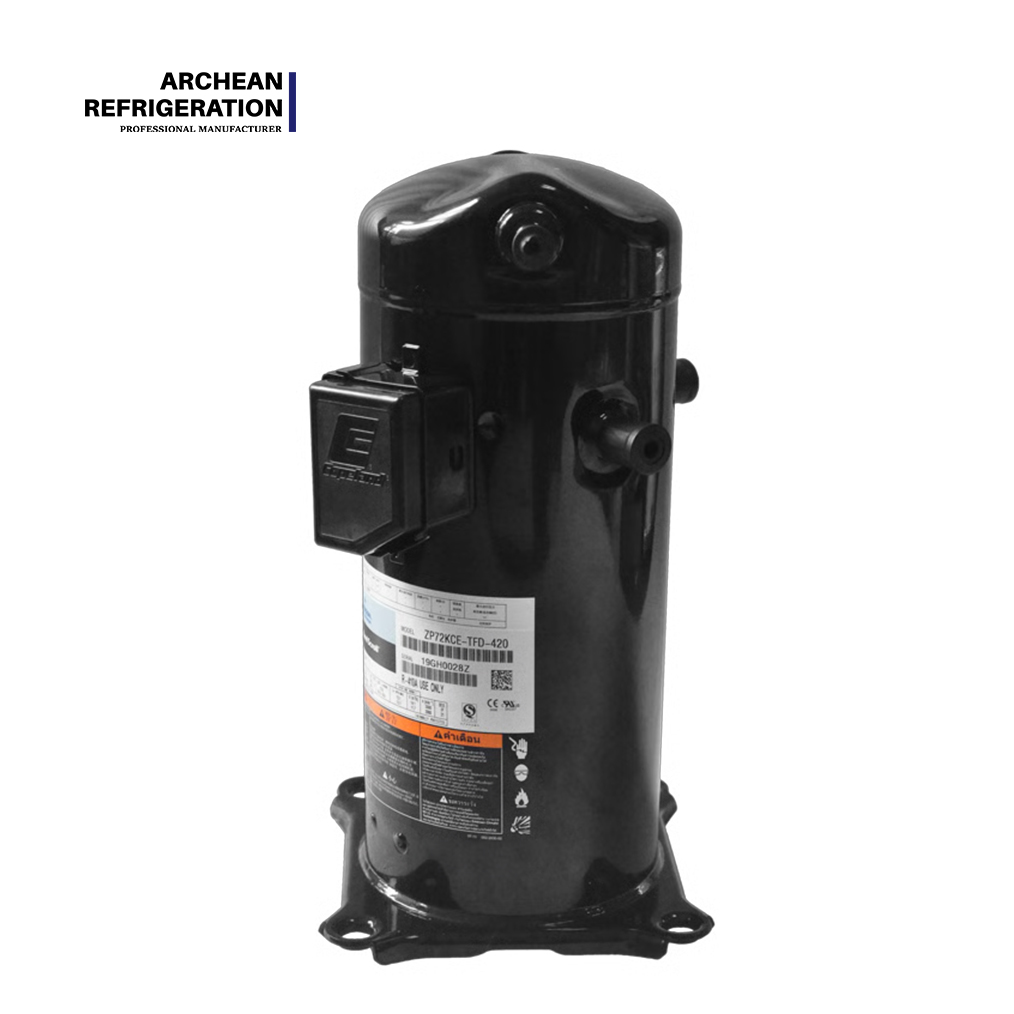
If you are evaluating a unit sitting on a wooden shipping pallet, a physical Compressor Inspection can quickly reveal its operational history. A high-quality paint job can make an old core look incredibly pristine. Still, a thorough examination of the exterior will almost always expose its true origin.
The Nameplate is the single most definitive identifier of a machine specifications and history. Run your fingers over a factory-fresh unit. You will find a pristine, permanently affixed data tag detailing the model number, serial number, electrical requirements, and approved refrigerant type. The metal stamping will be perfectly uniform.
Conversely, rebuilt units frequently feature an additional secondary metal tag or a heavy-duty foil sticker applied by the rebuilding facility. This helps them track internal warranties. In some specific cases, the technician will stamp a distinct letter directly into the original serial number. You must also remain highly suspicious of missing, scratched, or intentionally altered data plates. A missing tag is a severe red flag. Without it, verifying the operational limits is impossible.
Rebuilders almost always repaint the outer cast shell to prevent future rust and provide a cosmetically appealing appearance. The application quality of this paint job tells a vivid story. Grab a flashlight and look closely at the non-painted components. Factories paint the casing before final assembly. External hardware is usually completely free of paint. If you spot thick paint overspray on the sight glasses, electrical terminal boxes, terminal pins, or oil drain plugs, you are undoubtedly looking at a manual aftermarket paint job.
Furthermore, examine the casing condition underneath that fresh layer of industrial enamel. A brand-new cast shell is flawless. A rebuilt unit casing might reveal minor pitting from previous rust, deep scratches, or subtle indentations around the mounting feet where the unit was previously bolted down to a vibrating frame.
The bolts and fasteners holding the heavy cast iron together provide another layer of mechanical evidence. New machines are assembled using calibrated, automated pneumatic tools that leave uniform, virtually invisible marks on the hardware. Every single bolt will be of the exact same grade, color, and manufacturer.
When a core is rebuilt, technicians must use manual wrenches and heavy impact drivers to break apart the shell. Instruct your maintenance team to look closely at the bolt heads securing the cylinder heads. Rebuilt units often show slight, unavoidable wrench marks or slightly rounded edges from the disassembly process. Noticing a mix of hardware—such as shiny new zinc-plated bolts sitting right next to dull, original black-oxide bolts—is a clear indicator of a manual rebuild.
Visual aesthetics aside, the primary concern for any facility manager or contractor is operational reliability. The anxiety surrounding non-new units usually stems from a deep-seated fear that the machine will underperform, run loudly, or fail prematurely during a peak summer heatwave.
A properly restored compressor should not sound louder, run hotter, or vibrate more intensely than a brand-new unit. Sound and vibration are direct, undeniable indicators of internal mechanical harmony. If a newly installed unit rattles upon startup, emits a high-pitched mechanical whine, or generates excessive heat on the casing, it strongly points to a poor-quality rebuild. These symptoms often result from incorrect bearing clearances, unbalanced crankshafts, or a failure to replace worn internal dampeners. Elite rebuilders utilize vibration analysis tools to ensure the rotating assembly is perfectly balanced before the unit is ever sealed.
The cooling capacity of any system is dictated by its volumetric efficiency. This means how effectively it can compress and move refrigerant gas per stroke. Over time, internal wear on piston rings or scroll sets allows high-pressure gas to bypass back into the low-pressure side, drastically reducing efficiency.
Take commercial scroll compressors designed for R410A refrigerants as a prime example. Units like the Copeland ZP72KCE-TFD or the larger ZP122KCE require exact internal tolerances to maintain their rated cooling capacities. The ZP72KCE typically operates on a 3-phase 460V power supply, delivering robust performance for mid-sized commercial air conditioning. If a rebuilder fails to restore the precise scroll tip seals on a ZP122KCE, the unit will draw excessive amperage and fail to meet its cooling targets.
By replacing these worn internal tolerances, technicians successfully restore the correct compression ratios. Reputable facilities do not simply assemble the unit and hope for the best. They rigorously bench-test their units under simulated heavy loads. This testing measures amp draw, oil pressure, and pumping efficiency to ensure the unit meets the exact same performance baselines as a factory-new machine.
Making a prudent purchasing decision requires a balanced, objective evaluation of what you stand to gain financially versus the mechanical risks you are assuming.
The most prominent advantage is the immediate, undeniable cost savings. Depending on the size and application, buyers can save thousands of dollars on heavy commercial semi-hermetic units. This preserved capital can then be seamlessly redirected to other critical facility maintenance needs.
Speed and availability are also massive factors. Local rebuilding facilities frequently stock common heavy metal cores, allowing for rapid turnaround times. When a supermarket refrigeration rack goes down, waiting weeks for a specific factory delivery is simply not an option. A locally sourced rebuilt unit can minimize catastrophic system downtime and prevent massive inventory loss.
The harsh reality of the aftermarket sector is that variable quality control remains a significant risk. A rebuilt unit is ultimately only as reliable as the specific technician who wrenched on it. Without standardized factory robotics, simple human error during reassembly or a failure to properly clean internal debris can lead to premature failure.
Additionally, because a standard rebuild does not replace every single component, residual wear remains a factor. A crankshaft or connecting rod that looked acceptable during a visual inspection still carries years of prior metal fatigue. Eventually, these older original parts could become the weakest link in the pressurized system.
Navigating these complex options does not have to be a guessing game. Creating a structured, evidence-based decision-making framework helps contractors and end-users choose the best path forward.
There are specific scenarios where purchasing a brand-new unit is the only logical engineering and financial choice. First, if the overarching cooling system is still under the original manufacturer warranty, installing aftermarket parts will almost certainly void the remaining coverage. Always use new parts for in-warranty equipment. Second, when dealing with highly specialized, low-tonnage, or fully hermetically sealed welded units, rebuilding is economically unviable. Finally, if the application is mission-critical—such as a data center cooling system—and maximum longevity is the absolute highest priority, investing in factory-new equipment is the safest route.
Conversely, aftermarket units shine brilliantly in several common scenarios. When maintaining older, out-of-warranty legacy equipment, new replacements may be entirely obsolete. A professional rebuild is often the only way to keep the system alive. They also make perfect sense when capital expenditure budgets are incredibly tight, yet immediate cooling is mandatory to keep a business operational.
For instance, if you manage a facility utilizing multiple Copeland ZP series compressors like the ZP83KCE or ZP104KCE, keeping a remanufactured spare on hand can drastically reduce emergency downtime. Partnering with a trusted supplier who provides a solid, documented warranty mitigates the risks typically associated with non-new equipment.
If the decision matrix points toward purchasing a restored unit, knowing how to safely source one is critical to avoiding poor-quality workmanship and future headaches.
Do not purchase heavy machinery from an unknown vendor without conducting basic due diligence. Look for rebuilders who hold recognized certifications or industry-specific accreditations. Transparency is a major indicator of quality. A trustworthy facility will openly discuss their internal processes, detailing whether they test under actual load conditions and what specific brands of replacement bearings they utilize.
Protect your investment by asking the supplier these critical questions before handing over a purchase order.
What is your warranty policy compared to a new compressor? You should look for at least a 12-month comprehensive warranty. If they only offer 30 days, they do not trust their own work.
Do you require a core exchange? Most facilities require you to send them your broken core. Understand the logistics and freight costs of returning this heavy metal before buying to avoid a hefty core charge.
Can I see a sample of your compressor inspection checklist? Elite shops will gladly provide a documented teardown and rebuild checklist, showing exactly what tolerances were measured and the final electrical readings from the bench test.
While you can certainly tell a rebuilt compressor from a new one by closely inspecting the nameplate, hunting for paint overspray, and examining the hardware for tool marks, a high-quality rebuild should be virtually indistinguishable in terms of raw performance. Choosing a rebuilt or remanufactured unit is often a highly smart, financially sound decision for a wide variety of HVAC and refrigeration applications, provided it is sourced from a reputable, certified facility.
Do not let the fear of aftermarket parts force you into overspending on factory-new equipment when a perfectly viable alternative exists. Whether you need a robust replacement for a commercial chiller or specific models like the Copeland ZP143KCE-TFD, we highly encourage you to consult with a trusted HVAC supplier. Reach out to Archean HVACR at https://www.archeanhvacr.com today to explore available inventory, match your specific operational needs, and secure a competitive quote on premium compressor solutions.
A standard new unit might deliver 10 to 15 years of reliable service under normal operating conditions. A high-quality rebuilt machine typically lasts 7 to 10 years. However, a strictly remanufactured compressor can often match the 10 to 15-year lifespan of a new one, heavily depending on proper system maintenance, clean refrigerant lines, and routine filter changes.
While some mechanical enthusiasts attempt DIY repairs, internal mechanical rebuilds require specialized machining tools, cleanroom environments, and highly precise torque specifications. It is universally recommended to leave internal rebuilding to certified professionals to avoid catastrophic, dangerous system failures.
Generally speaking, yes. The term rebuilt usually implies fixing only the specific components that are currently broken or severely worn. Remanufactured means exhaustively restoring the entire unit to factory-new specifications, machining metal surfaces, and replacing all wear items regardless of condition. This inherently results in much higher long-term reliability.
A missing data tag is a significant red flag in the industry. Without it, you cannot accurately verify the machine specific model, approved refrigerant type, electrical requirements, or operational limits. Reputable rebuilders will always attach a new, clearly stamped data tag if the original is unreadable, damaged, or missing.
Yes, reputable suppliers and specialized rebuilding facilities offer robust warranties ranging from 1 to 3 years. This coverage is often highly comparable to the standard warranty provided with a brand-new machine. Always verify the specific warranty terms, conditions, and labor coverage before finalizing any purchase.
If the compressor is rebuilt correctly and internal tolerances are restored to factory specifications, it will consume the same amount of electricity as a new unit. However, a poorly rebuilt unit with worn piston rings or inadequate scroll seals will run longer and draw higher amperage to achieve the desired cooling capacity, leading to increased energy costs.
A core charge is a refundable deposit added to the purchase price of a rebuilt or remanufactured unit. Rebuilders rely on recycling old metal shells to keep their inventory stocked. Once you install the new unit and ship your old, broken compressor back to the supplier, the core charge is fully refunded to you.


